Irish Owned
Lungworm in Cattle
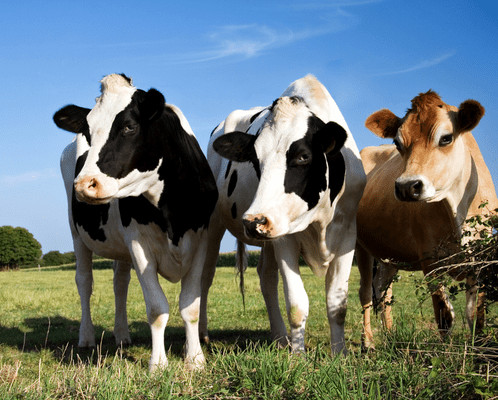
Lungworm or hoose is a common problem on Irish cattle farms with outbreaks usually seen late in summer and into autumn. It is important to read the signs early as leaving untreated can lead to lung damage in the cow and sometimes even death.
Signs And Symptoms
Clinical signs vary from mild or moderate to severe. Within any group of affected animals there will typically be a few mild affected, most moderately affected and a few severely affected.
Mildly affected animals will only cough occasionally, especially when moving. Moderately affected animals will experience frequent bouts of coughing. Even at rest their breathing will be faster and more laboured.
Severely affected animals show very fast, laboured breathing, and in an attempt to get air into their lungs, frequently adopt the classic “air hunger” position of mouth breathing with the head and neck outstretched. Adult cows may also have a severe drop in milk yield. Animals often have a deep harsh cough, salivation and anorexia. Most animals will gradually recover however there is an immense impact on their productivity and profitability as well as an increase in veterinary costs.
Measures To Help Prevent Lungworm
- Lungworm larvae contamination builds up on the pastures over the summer season. Land that was not previously grazed by calves, newly sown grass fields, silage or hay aftergrass, and alternate grazing with sheep all decrease the risk of high burdens on the pastures.
- Grazing on very quick paddock rotation cycles (about every 3 weeks) means that larvae are not being given the chance to die off on pastures so that the maximum infective larvae are being eaten.
- Strategic dosing can be used to minimise pasture contamination.
Treating Lungworm
As soon as lungworm is identified in a herd it is important to treat the whole herd and to treat it fast. Lungworm can be treated with the following anthelmintics
- Levamisole (Levafas Diamond)
- Doramectin (Dectomax)
- Moxidectin (Cydectin)
- Abamectin (Abinex Forte)
- Eprinomectin (Eprinex)
It should also be said that it’s best to develop a dosing strategy with your vet as continued use of the same product can lead to anthelmintic resistance.