Irish Owned
Key Tips to Help Silage Quality and Yield
Patrick Cashman | Goldcrop Limited
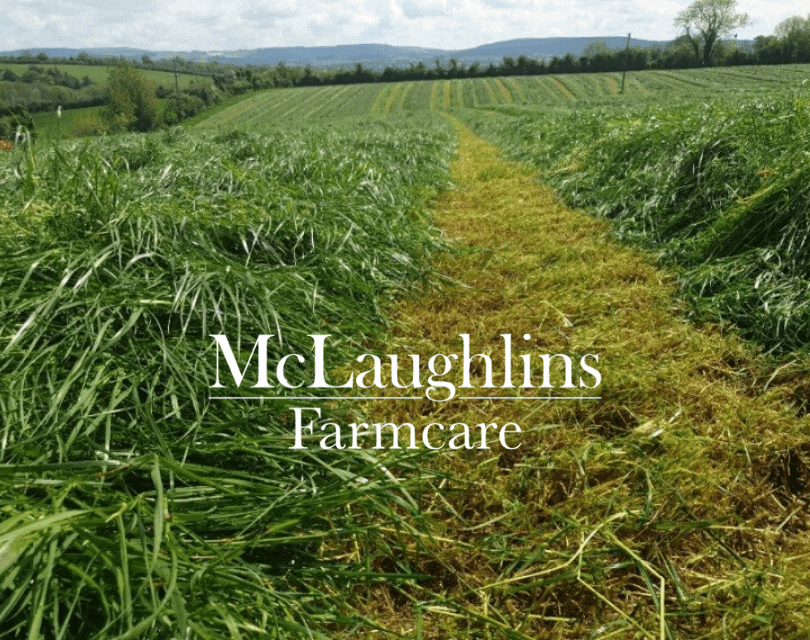
When to mow silage is an important consideration when maximising both silage quality and silage yield.
- Too soon and the crop may not have reached its full growing potential.
- Too late may cause an excessive accumulation of stem and dead material which can be detrimental to silage quality.
- Targeting the crop when 50% of the ears have emerged will give the best combination of silage quality and yield.
After a good wilt of 24 hours
- It is important to get the chopped grass into an air-tight environment as quickly as possible.
- Getting the silage well packed and covered with robust covering as quickly as possible will achieve this.
- Extra effort here will reduce wastage during winter and lost feed
Once silage in harvested
- It is important to consider the yield and if some areas are offering disappointing performance.
- Lost silage yield can lead to forage shortages in future with resulting additional cost to buy feed.
- Some investigation can tell if soil nutrients are deficient or if some silage areas need reseeding. Reseeding can offer a really good return in silage ground by returning larger quantities of better-quality home-grown feed.
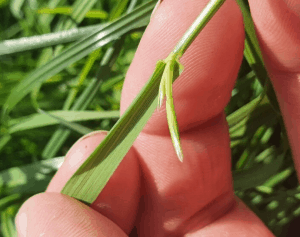
Ear recently emerged on a perennial ryegrass tiller
Diamond Intensive Silage Grass Seed Mixture (available here)
- Diamond Intensive Silage (39% Tetraploid) grass seed is suitable for a combination of high yielding & high persistent silage grasses. The combination of three types of grass makes the Diamond Intensive Silage ideal for early spring grazing and gives a high two cut silage yield.
- All Diamond brand grass seeds have been tested with Teagasc for the past five years to ensure maximum results. Sow Diamond Intensive Silage grass seed is at the rate of 14 – 16 kg per acre of land, as per recommendation.